


Leighton's SeaBack to the project shelf

Field study 02 · Continuous media system

Living Renderer

An experiment in making a desktop feel alive: spare GPUs continuously study, compose, animate, inspect, and publish scenes to a 4K Vizio through a deliberately boring Zorin playback box.

9 lanesheterogeneous GPU roles
4KVizio display canvas
Atomicpublish and rollback
A finished woodland scene with a squirrel, oak trees, acorns, and a floral frame
The prime anchorA composed reference frame becomes the visual contract for motion, framing, color, and safe display edges.
01 / Assembly

The image is built as a system, not a single prompt.

The frame, environment, character, and motion studies are separable assets. That makes it possible to reject one weak ingredient without throwing away the rest of the scene.

The ingenuity

Every machine gets the job it can do reliably.

The Dell 740 is not treated as one giant anonymous accelerator. Its P100s handle long synthesis runs, while its M4000 can produce reference studies. Other boxes contribute keyframes, flora, motion, review, contact sheets, or CPU quality checks according to measured capability.

The Zorin machine is intentionally not a renderer. Its GTX 960 and Vizio form the display appliance: accept only a verified publish, validate playback, keep a static fallback, and relaunch or roll back when the player misbehaves. Generation can churn without making the wall unstable.

  • 01Give each heterogeneous lane an allow-list instead of hoping every model fits every GPU.
  • 02Claim work with atomic file moves, leaving obvious evidence of who owns each task.
  • 03Require measurable artifacts from all lanes: images, hashes, review scores, or playback receipts.
  • 04Publish to Zorin atomically so the Vizio never sees half a render.
02 / Parallel studies

Different silicon, different contributions.

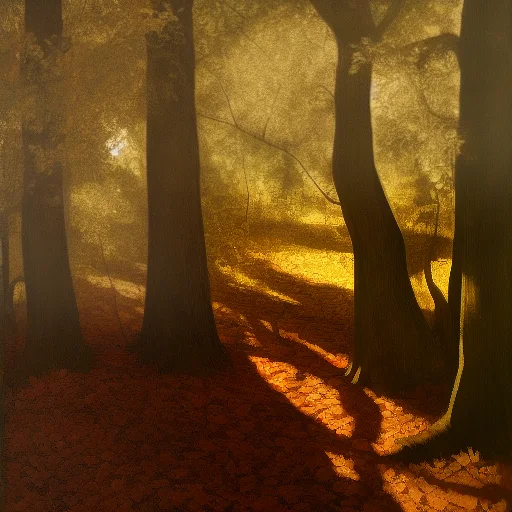
These are real outputs from separate lanes in the same production map. The scheduler values useful diversity over pretending the fleet is uniform.

03 / Circuit

A continuous loop with a quiet last mile.

BriefFreeze a scene idea and its display constraints.
StudyFan bounded work across nine fitted lanes.
ReviewScore locally, build contact sheets, and keep receipts.
RenderSynthesize accepted motion on the capable long-run lane.
PublishMove atomically to Zorin; watchdog Vizio playback.

Failure is part of the composition. If motion is missing or decode fails, the last accepted still remains on screen. A broken worker becomes a recoverable queue event, not a black television.